
How do social norms vary across societies?
By understanding norms, we can better understand how societies are shaped and coordinate and collaborate on global issues.
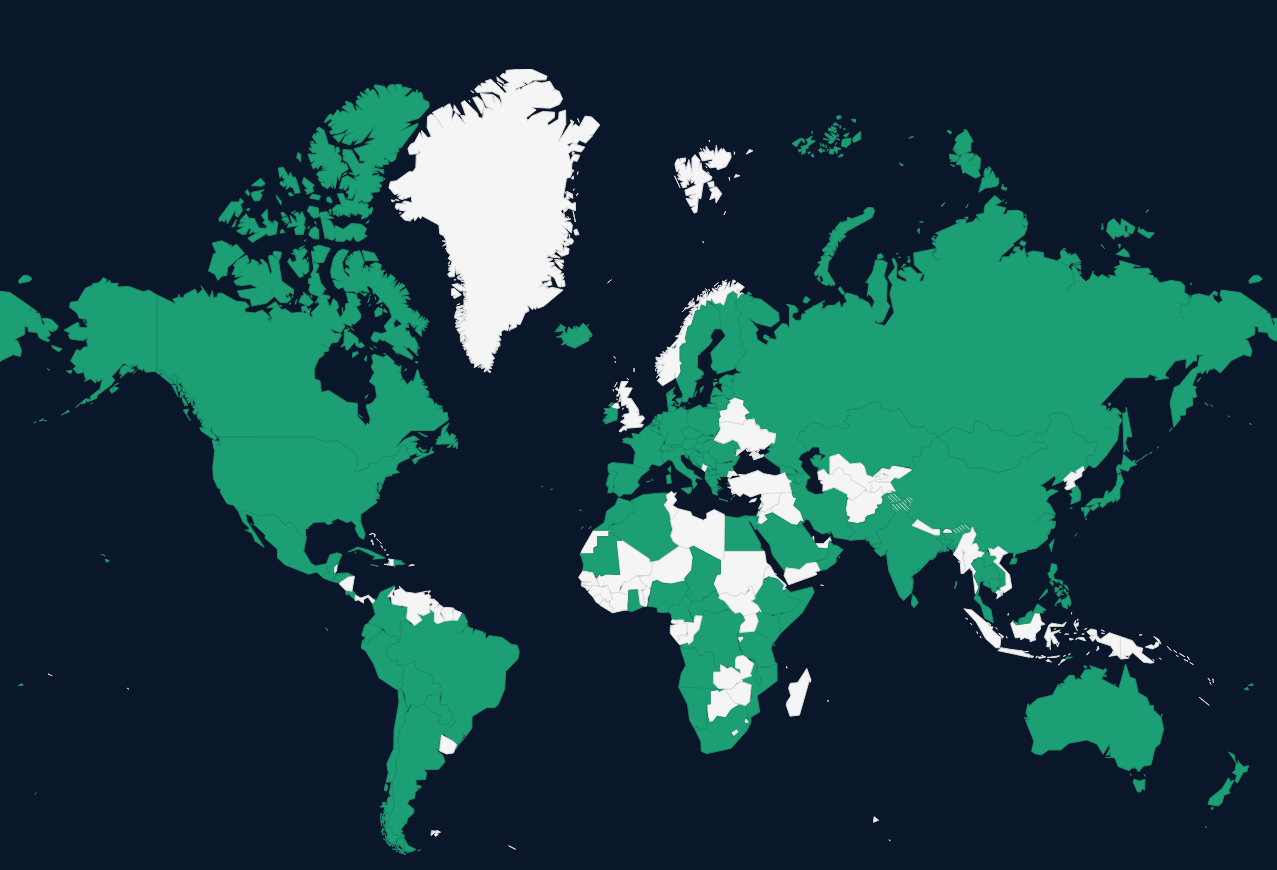
The Global Social Norms network (GSN) is a global research endeavour committed to shedding light on how norms work and change. A core feature of the network is its ability to collect data in countries outside Europe and North America, making the datasets truly global.
GSN is coordinated from the Institute of Futures Studies in Stockholm, Sweden.
FOUNDED IN
2019
COLLABORATORS
223
UNIQUE SOCIETIES
118
FINISHED PROJECTS
4
PROJECTS
Finding Popular Solutions to Climate Change
A significant barrier to political action is that climate policies meet public opposition.
In this study we aim to understand why some policies meet more opposition than others? Is there a pattern and can we use it to implement climate policies in a more effective way?

Everyday Norms
Every social situation that people encounter in their daily lives comes with a set of unwritten rules.
In this study, across 90 societies, we show that there is a global pattern of change toward more permissive norms.
COVID-19 and norm stability
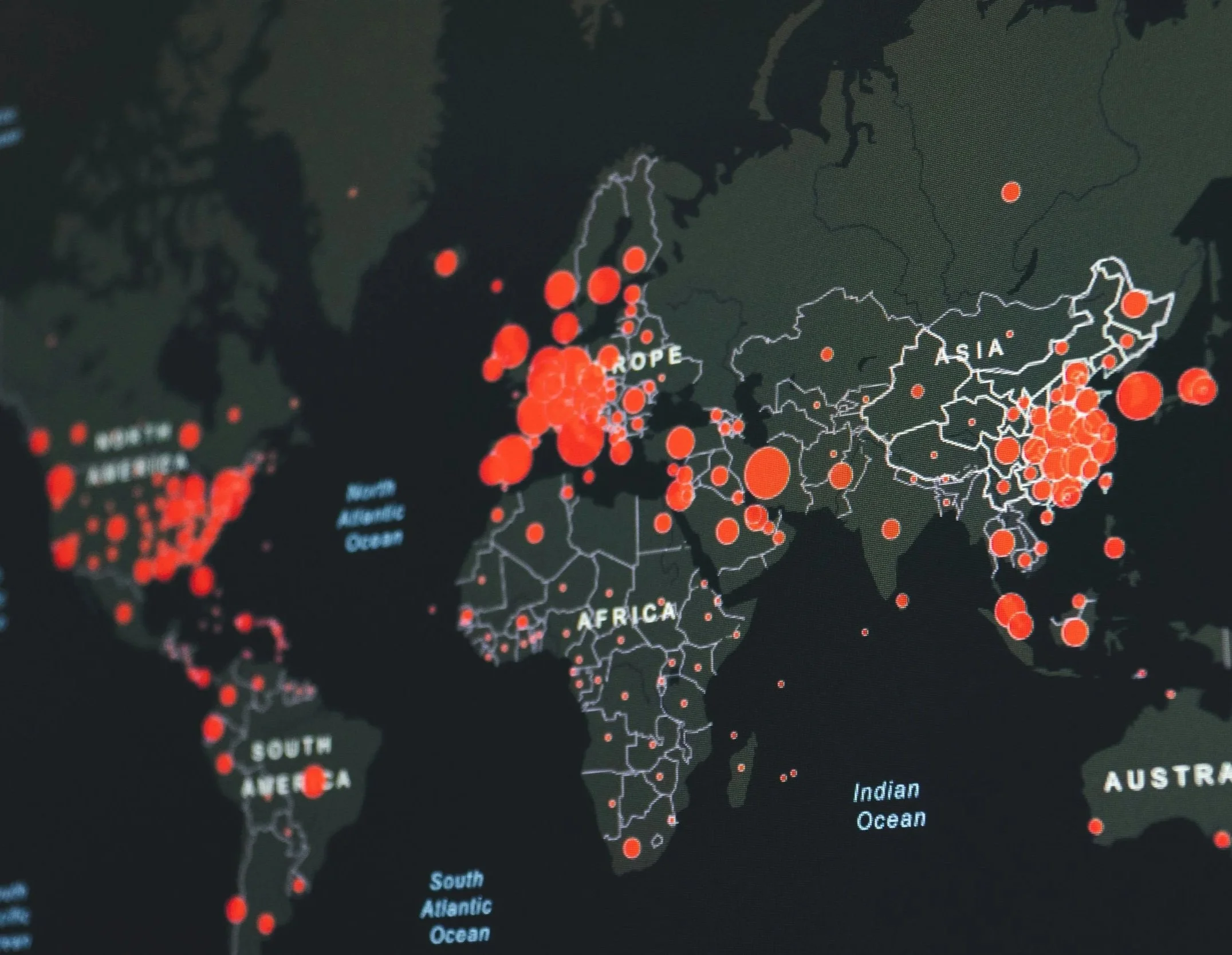
The COVID-19 pandemic quickly changed how people behaved all over the world, but did it change our norms?
Using variation in disease intensity, we shed light on the mechanisms predicting changes in social norm measures.
Norms about norm violations
What do we do if someone starts flirting at their job interview or starts screaming on the bus?
In the first metanorm study, GSN investigates what different societies view as the appropriate response to norm violations.